Business signs are an essential part of branding and marketing. They not only help customers locate your business but also create a strong first impression. Choosing the right type of sign can increase visibility, attract new customers, and strengthen your brand identity. In this article, we’ll explore the most common types of business signs, their uses, materials, and tips for making them effective.
1. Outdoor Signs
Outdoor signs are designed to attract attention from the street, parking lot, or nearby pedestrian traffic. They are often the first thing customers notice about a business. Key types include:
- Monument Signs: Freestanding signs typically located at the entrance of a property. Ideal for retail centers and corporate offices.
- Pylon Signs: Tall signs that can be seen from a distance. Commonly used for businesses near highways or shopping plazas.
- Wall Signs: Mounted directly on the building’s exterior wall. Can include illuminated or channel letters.
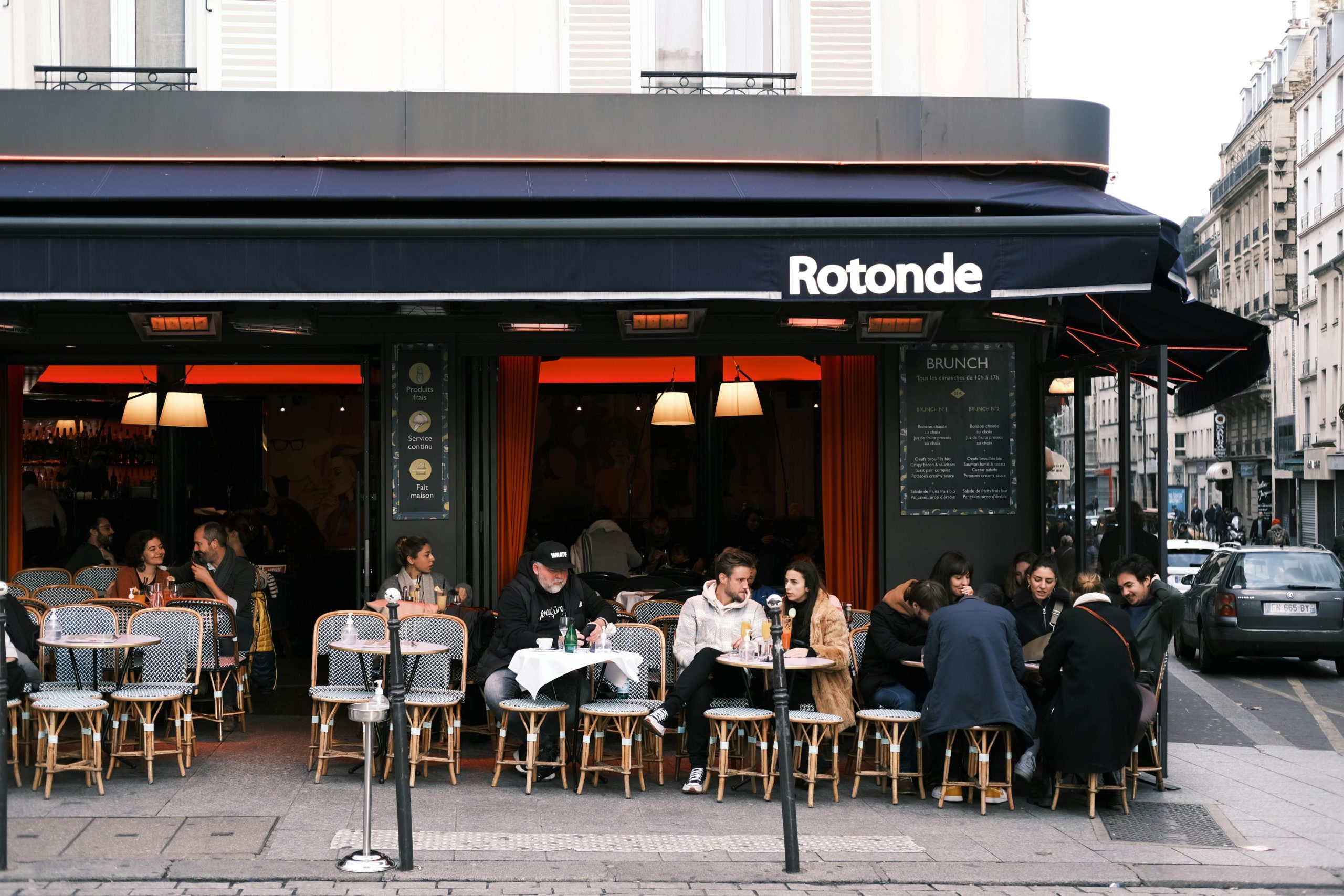
- Awning Signs: Fabric or metal awnings displaying the business name. Provide shelter and brand visibility simultaneously.
Outdoor signs should be weather-resistant, well-lit, and readable from a distance. Colors, fonts, and design should reflect your brand identity.
2. Indoor Signs

Indoor signs guide customers, create a welcoming environment, and reinforce branding inside the building. Types include:
- Lobby Signs: Positioned in reception areas to highlight your company name or logo. Often made of metal, acrylic, or wood.
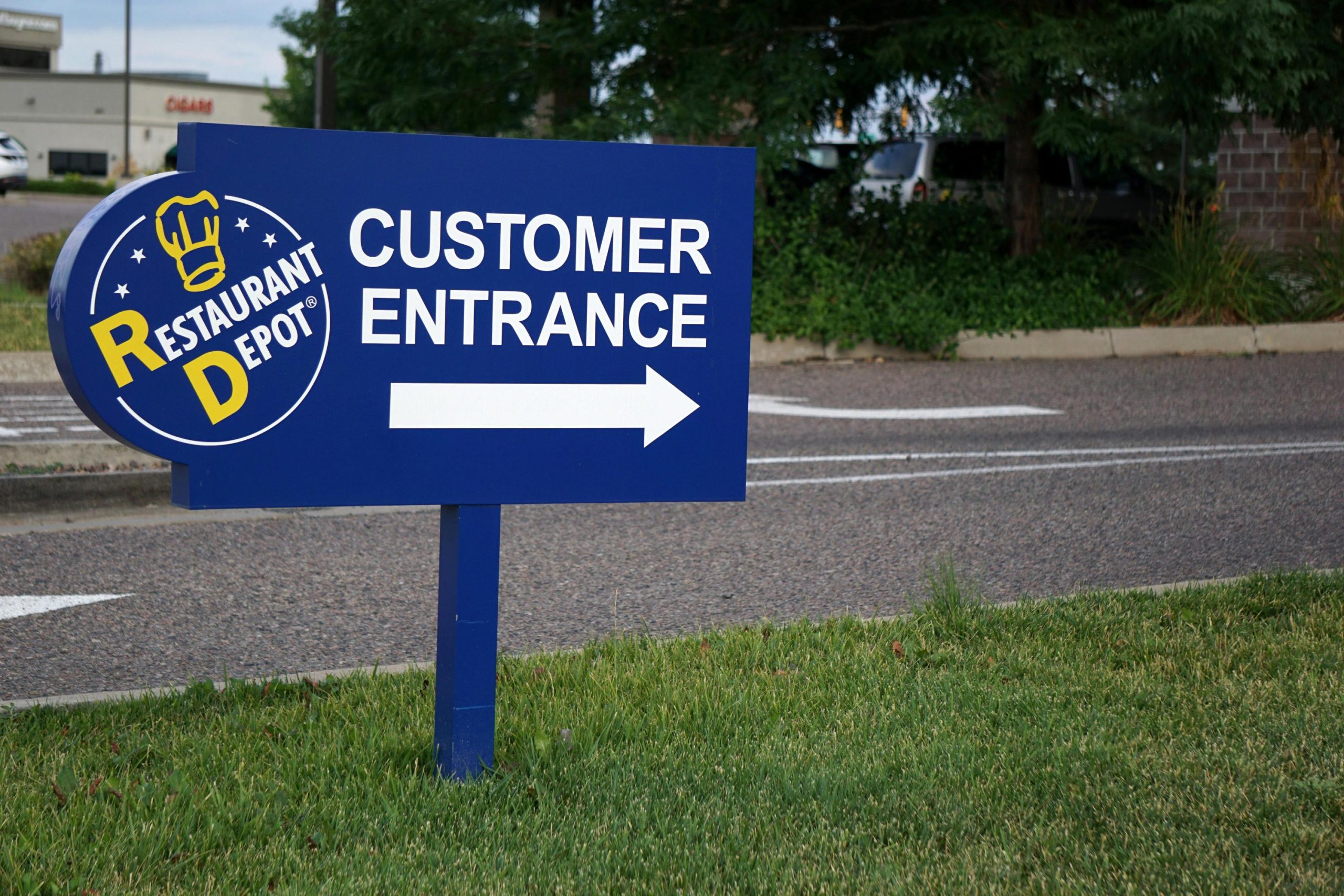
- Wayfinding Signs: Help customers navigate the space with directional arrows or location markers.
- Menu Boards: Common in restaurants or cafés, displaying pricing and offerings. Can be digital or printed.
- Informational Signs: Safety instructions, restroom indicators, or office directories.
Effective indoor signage improves customer experience and ensures visitors feel comfortable and informed.
3. Digital and LED Signs
Technology has made digital signage increasingly popular. These signs offer dynamic content and high visibility. Types include:
- Digital Billboards: Large outdoor displays used for advertising multiple businesses or promotions.
- LED Storefront Signs: Eye-catching displays that can change messages in real time.
- Interactive Kiosks: Touchscreen signs that allow users to explore products or services.
Digital signs can increase engagement, highlight promotions, and make your business appear modern and professional.
4. Vehicle Signs
Vehicles can act as moving billboards, spreading brand awareness wherever they go. Options include:
- Vehicle Wraps: Full or partial designs that cover a car, van, or truck with your branding.
- Magnetic Signs: Removable signs ideal for temporary branding or multi-use vehicles.
- Decals: Smaller logos or contact information on company vehicles.
Vehicle signage allows businesses to reach a wider audience while on the road or parked in high-traffic areas.
5. Temporary and Promotional Signs
Sometimes businesses need temporary signage for events, sales, or new openings. Types include:
- Banner Signs: Flexible, portable, and cost-effective for promotions or events.
- Yard Signs: Small, stake-mounted signs ideal for real estate, political campaigns, or limited-time sales.
- Pop-Up or Trade Show Signs: Portable displays used at exhibitions or markets.
Temporary signs are excellent for short-term marketing campaigns and can be reused multiple times if well-maintained.
6. Regulatory and Safety Signs
These signs are required by law or safety standards to ensure compliance and protect people. Examples include:
- Exit Signs: Required in commercial buildings to guide people during emergencies.
- Fire Safety Signs: Mark locations of extinguishers, sprinklers, or alarms.
- Warning Signs: Indicate hazards such as wet floors, restricted areas, or construction zones.
Proper placement and visibility are crucial for compliance and safety.
7. Creative Signage Ideas
Businesses can enhance visibility and brand recognition through creative signage:
- 3D Signs: Letters or logos that extend from the wall, adding depth and a modern look.
- Neon Signs: Bright, colorful signs that attract attention, popular in bars, restaurants, and retail stores.
- Eco-Friendly Signs: Made from sustainable materials or using solar-powered lighting to appeal to environmentally conscious customers.
Creative signs help businesses stand out from competitors, especially in crowded marketplaces.
Choosing the Right Sign for Your Business

Selecting the right type of sign requires careful planning to ensure it meets your business goals, fits your location, and stays within budget. The following factors can guide your decision:
- Purpose: Determine the primary function of your sign. Is it meant to attract walk-in customers from the street, guide people inside your building, or highlight special promotions or seasonal sales? Different purposes may require different types of signage, such as window decals, monument signs, or banner displays.
- Visibility: Consider the placement, size, and height of your sign. A sign should be easily visible to passing pedestrians, drivers, or both. Evaluate angles, lighting, and distances to ensure your sign grabs attention without being overwhelming.
- Brand Alignment: Your sign should reflect your brand identity. Choose fonts, colors, and graphics that are consistent with your overall branding strategy. Consistency helps customers instantly recognize your business and reinforces brand trust.
- Competitor Awareness: Understanding the types of competitors in business in your area can help you differentiate your signage. Observe how competitors attract attention and identify gaps or opportunities to stand out with your own unique sign design.
- Regulations: Local ordinances and zoning laws may restrict signage size, lighting, or placement. Always check with municipal authorities to avoid fines or removal of your sign.
- Budget and Maintenance: Factor in production, installation, and ongoing maintenance costs. Some materials like metal or acrylic may be more durable but costlier, while vinyl or fabric signs are affordable but may require frequent replacement.
By carefully considering these factors and analyzing competitor strategies, businesses can select signage that effectively increases visibility, draws in customers, and strengthens their overall brand presence.
Maintenance and Longevity
A well-designed business sign can attract customers and strengthen brand recognition, but even the best signage loses its impact if it’s poorly maintained. Regular care not only extends the life of your sign but also ensures it continues to make a positive impression on potential customers. Consider these tips to keep your signs in top condition:
- Regular Cleaning: Dust, dirt, pollen, and pollution can accumulate on both indoor and outdoor signs. Clean surfaces with mild soap and water or manufacturer-recommended cleaners. For digital signs, wipe screens carefully to avoid scratches or damage to electronic components.
- Check for Damage: Inspect your signs frequently for issues like fading, peeling, cracks, or broken lights. Damaged signs can make your business appear unprofessional. Replace or repair parts promptly to maintain a polished appearance.
- Update Digital Content: For digital and LED signs, keeping content fresh is crucial. Rotate promotions, update branding elements, and add seasonal messages to keep your message relevant. Fresh content also attracts repeat attention from passing customers.
- Protect from Weather: Outdoor signs are exposed to rain, wind, sunlight, and temperature fluctuations. Use weather-resistant materials, UV-protective coatings, or waterproof casings to prevent damage. Anchoring signs securely reduces the risk of wind damage.
- Professional Maintenance: For complex signage such as illuminated, electronic, or large-scale installations, periodic professional inspections ensure electrical components and mounting structures are safe and functional.
By investing time and resources in proper maintenance, you can ensure your signs remain vibrant, visible, and effective. A well-maintained sign continues to build brand credibility and delivers long-term value, maximizing the return on your signage investment.
Conclusion
Business signs are a critical marketing tool that can influence customer behavior, brand perception, and overall success. From outdoor and indoor signs to digital displays, vehicle wraps, and creative solutions, each type serves a specific purpose. Understanding your business goals, your target audience, and the local competitive landscape helps you choose the most effective signage. Additionally, maintaining your signs ensures longevity and continued brand visibility. When used strategically, business signs not only guide customers but also strengthen your brand and give you a competitive edge in today’s market.