Scaling a commercial enterprise requires walking a fine line between seizing market opportunities and managing operational risk. When sales climb, contract values increase, or client requests multiply, the natural instinct is to expand internal capacity to fulfill demand. Traditionally, business leadership measured strength by asset ownership, building balance sheets heavy with proprietary machinery, specialized vehicles, and dedicated maintenance yards. In dynamic and volatile markets, however, rapid balance sheet expansion through debt-financed asset acquisition often creates severe operational friction.
The primary pitfall of rapid expansion is overleveraging working capital. Purchasing machinery outright or locking an enterprise into non-cancelable long-term financial leases ties up cash reserves that are vital for payroll, research, digital infrastructure, marketing, and emergency buffers. When market cycles shift or project scopes fluctuate unexpectedly, owned assets transform from profit drivers into burdensome fixed overhead costs that sit idle, silently depreciating and accumulating storage, insurance, and routine maintenance liabilities.
Modern corporate strategy favors agility, capital fluidity, and variable expense modeling. Procuring machinery on demand through flexible rental agreements allows an organization to expand its operational footprint without enduring long-term liabilities. This comprehensive guide examines how strategic rental frameworks empower expanding businesses to preserve liquid resources, adjust rapidly to uneven client demands, mitigate systemic maintenance burdens, access cutting-edge engineering, and scale sustainably over multi-year horizons.
The Mechanics of Capital Conservation During Growth
Growth phases place significant demands on cash flow. Operating cash flows must absorb elevated raw material outlays, expanded workforce payrolls, insurance premium increases, and elongated payment cycles from enterprise clients. Allocating hundreds of thousands of dollars to physical capital purchases during these periods introduces financial fragility that can compromise overall balance sheet health.
Protect Liquid Reserves for Core Strategic Investments
Retaining unrestricted liquidity ensures that an expanding business maintains complete financial resilience. When an enterprise replaces capital expenditures with flexible operating leases, it avoids the large down payments and restrictive covenants associated with commercial asset financing. This preserved cash can be deployed directly into competitive advantages, such as hiring tier-one talent, upgrading enterprise resource planning systems, expanding research and development, or entering new regional territories.
Utilizing heavy equipment rentals enables construction firms, infrastructure specialists, and civil contractors to secure high-capacity earthmoving assets on a project-by-project basis without compromising their primary bank lines. Furthermore, relying on local equipment rentals provides field teams with immediate geographical accessibility, sharply cutting mobilization times and regional transit fees while keeping capital securely positioned within liquid cash reserves.
Convert High Fixed Overhead Into Predictable Variable Costs
Fixed expenses remain uniform whether an organization operates at total capacity or encounters an unexpected seasonal slowdown. In contrast, variable operational expenses rise and fall in tandem with revenue-generating activity, providing a natural fiscal buffer against market downturns.
- Direct job costing: Rental fees map directly to specific client invoices, delivering precise gross margin visibility across individual project accounts.
- Overhead elimination: Storage yards, off-season security, administrative asset tracking, and personal property asset taxes disappear from annual balance sheets.
- Predictable billing: Standardized contract structures eliminate the fiscal volatility of surprise catastrophic component failures.
- Balanced cash flow: Expenditure curves naturally mirror revenue cycles, preventing working capital deficits during transitional lulls between major contractual awards.
- Enhanced borrowing power: Keeping depreciating mechanical liabilities off company accounts preserves pristine debt-to-equity ratios for major strategic credit facilities.
Maintaining Operational Agility Across Changing Project Scopes
Business growth rarely unfolds along a clean, linear trajectory. Instead, it frequently manifests as sudden spikes in specialized demand, regional opportunities with unique environmental criteria, or unexpected project variations that require specialized gear.
Adapt Onsite Machinery to Precise Project Specifications
Bidding on diverse municipal, industrial, or commercial tenders requires access to an expansive range of machinery. An enterprise that relies entirely on a fixed proprietary fleet must either decline unconventional tenders or deploy ill-fitted machinery that degrades job site safety and productivity.
Procuring targeted skid loader attachments allows crews to transform baseline prime movers into precision trenchers, hydraulic breakers, high-output sweepers, or post-hole augers within minutes. When material transport demands escalate during unexpected job site expansions, sourcing a high-capacity equipment trailer ensures seamless transit of work gear across distributed sites without incurring dedicated fleet vehicle costs or long-term depreciating assets.
Test Advanced Commercial Capabilities Without Balance Sheet Commitments
Entering an adjacent vertical market presents substantial strategic risks if initial investments require purchasing dedicated specialized infrastructure. Temporary acquisition serves as a low-risk incubator to validate operational hypotheses, evaluate client retention, and measure true gross margins before committing long-term resources.
- Market pilot testing: Launch trial operations in emerging regional zones using temporary industrial machines to verify sustained local market appetite.
- Technological evaluation: Test advanced automated navigation systems and modern telematics in active field environments to measure real productivity gains.
- Risk-free offboarding: Return specialized gear immediately upon project completion if market traction does not justify permanent regional expansion.
- Fast portfolio iteration: Shift seamlessly between completely disparate service niches without suffering residual asset sale penalties or auction losses.
Eliminating Maintenance Liabilities and Lifecycle Overhead
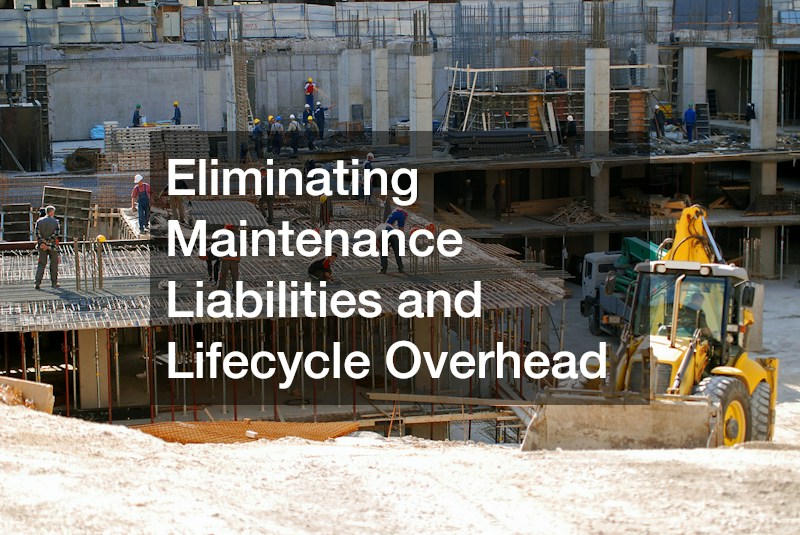
The initial purchase invoice of heavy machinery represents only a fraction of its true lifetime cost. Unseen financial drains, including preventive maintenance, skilled mechanical labor, regulatory testing certifications, and parts warehousing, steadily erode operating profit margins.
Transfer Component Failure Liabilities to Trusted Rental Partners
Operating an internal maintenance division requires significant structural investments, including dedicated repair bays, diagnostic software licensing, specialist technician salaries, and an extensive inventory of replacement parts. For growing businesses, these secondary operations distract leadership from core competencies.
Leveraging external vendors for utility equipment repairs offloads complex hydraulic overhauls, regulatory component recertifications, and diagnostic work to factory-trained technicians. In the event of a sudden mechanical failure on an active job site, quality equipment suppliers deliver immediate replacement machines or dispatched mobile technicians, neutralizing expensive crew downtime while fully insulating the expanding business from unplanned repair bills.
Eliminate Long-Term Asset Depreciation and Storage Logistics
From the moment an owned machine arrives on a company yard, macroeconomic depreciation begins eroding its enterprise balance sheet value. Managing an expanding fleet creates mounting secondary liabilities:
- Yard real estate expenses: Expanding firms must lease or purchase secure industrial land simply to park idle hardware between project completions.
- Insurance premiums: Proprietary fleets require round-the-clock physical damage, comprehensive theft, and specialized inland marine liability policies.
- Asset management overhead: Compliance tracking, recurring title renewals, DOT annual inspections, and internal depreciation schedules consume administrative labor hours.
- Resale valuation losses: Liquidating outdated gear during broader economic contractions forces companies to accept steep discounts against book value.
- Obsolescence exposure: Rapid engineering advancements render older machinery inefficient, saddling owners with obsolete technology that struggles against competitors using newer assets.
Enhancing Job Site Safety and Human Resource Management

Rapid operational expansion places acute pressure on safety management and workforce recruitment. Managing complex industrial machinery requires certified competence, comprehensive regulatory adherence, and continuous professional training.
Supplement Internal Teams With Certified Machine Operators
Workforce shortages frequently hinder ambitious operational expansion. Procuring heavy machinery without seasoned operators introduces unacceptable job site hazards, project delays, and severe civil liability exposures.
Partnering with professional vendors for crane services resolves workforce bottlenecks by securing industrial lifting capacity alongside comprehensive technical field planning. Contracting experienced crane operators ensures that complicated pick plans, structural rigging, and high-risk mechanical placements are conducted under rigorous safety standards, relieving internal project managers of intricate regulatory oversight and technical vetting burdens.
Ensure Immediate Compliance With Modern Safety Standards
Rental supply partners continually renew their commercial fleets to remain competitive, meaning the equipment they dispatch typically incorporates recent safety engineering.
- Digital safety systems: Modern units integrate advanced load-moment indicators, obstacle sensing, and intelligent rollover protective structures.
- Full regulatory alignment: Rental providers handle mandatory structural inspections, annual OSHA certifications, and manufacturer recall repairs prior to delivery.
- Detailed safety documentation: Reputable providers deliver comprehensive inspection logs and certified maintenance histories directly to project compliance officers.
- Ergonomic enhancements: Newer cabins feature improved visibility, noise suppression, and ergonomic controls, significantly reducing field worker fatigue and repetitive strain injuries.
Streamlining Sustainable Field Logistics and Site Cleanliness
Scaling operations requires strict organizational discipline across job sites. When companies handle larger square footages and higher material throughputs, disorganized debris handling and contaminated operational surfaces swiftly attract regulatory fines, client disputes, and lost labor hours.
Implement Comprehensive Waste Containment and Disposal Programs
Unmanaged construction refuse, manufacturing waste, and demolition debris impede crew mobility and violate local municipal safety codes. Scaling enterprises require standardized waste removal protocols to support continuous site operations.
Securing scheduled commercial dumpster rentals ensures that hazardous demolition scraps, packaging remnants, and construction debris are consistently removed from active pathways without diverting skilled tradesmen into cleanup crews. By maintaining clean staging zones, field teams protect overall project timelines and project an organized, professional image to visiting project architects, inspectors, and commercial clients.
Deploy Modern Sanitation and Environmental Remediation Protocols
Industrial scaling brings increased environmental oversight, strict clean-water mandates, and intense client expectations regarding site handovers. Surface preparation, machinery washdowns, and municipal runoff control must be managed with high-performance cleaning platforms.
Integrating commercial pressure washing equipment enables surface restoration teams to clear grease, concrete splatter, and environmental grime rapidly from paved surfaces, structural footings, and transport fleets. For enterprises handling material reclamation, utilizing advanced recycling equipment diverts substantial aggregate volumes and masonry waste directly away from regional landfills, converting inert scrap into reusable subbase aggregates while securing lucrative green building certifications.
Tactical Guidelines for Developing a Scalable Fleet Framework
Transitioning from an asset-heavy operational model to an agile, rental-centric deployment model requires structured internal governance. To capture the full financial benefits of on-demand procurement, company leadership should implement repeatable processes across the enterprise.
Establish Preferred Vendor Master Service Agreements
Approaching equipment procurement through ad-hoc, last-minute telephone calls leads to inconsistent daily rates, unpredictable delivery delays, and variable machine conditions. Establishing proactive partnerships with regional suppliers provides stable operational foundations:
- Negotiate unified regional tier pricing across weekly, monthly, and seasonal billing cycles to lock in predictable job margins.
- Standardize master service agreements and credit limits in advance, allowing site superintendents to issue project purchase orders without administrative holdups.
- Secure guaranteed emergency replacement windows within the service-level agreement to protect mission-critical operations against sudden downtime.
- Centralize rental management through dedicated account representatives who understand your operational velocity and can reserve high-demand units well ahead of construction milestones.
- Incorporate routine telematics reporting into contract terms to receive automatic verification of equipment hours, fuel efficiency, and location data directly from the supplier.
Track Operational Utilization to Guide Strategic Deployments
Not all equipment belongs in a rental program, just as not all machinery warrants outright capital investment. The most profitable businesses utilize data-driven operational metrics to establish clear boundaries between rented and owned assets.
- Establish the benchmark: Maintain a rigorous sixty percent utilization standard; assets operating below this threshold over a rolling ninety-day cycle should be liquidated and shifted to on-demand sourcing.
- Monitor dynamic demand: Assets required for specialized, high-intensity operations across short durations should remain exclusively within rental pipelines.
- Integrate telematics: Utilize basic telematics to record operating engine hours, ensuring field operations accurately match billing tiers and avoiding surprise overage charges upon machine return.
- Audit seasonal variations: Identify repetitive cyclical surges in your yearly work pipeline so rental reservations can be scheduled months prior to peak market demand.
- Conduct post-project financial reconciliations: Compare budgeted rental allocations against real-world expenditures after every completed milestone to continually refine future bidding accuracy.
Maximizing Supply Chain Resilience in Unpredictable Markets
Modern global supply chains remain vulnerable to raw material shortages, manufacturing delays, and complex transportation disruptions. When an expanding enterprise relies solely on purchasing new hardware to take on commitments, lead times can stretch from weeks to months, or even exceed a full year for specialized equipment. This latency paralyzes operational momentum, forcing businesses to turn down profitable ventures or pay exorbitant spot premiums for second-hand units.
Overcome Manufacturing Lead Times and Distribution Bottlenecks
Flexible rental channels decouple an organization from unpredictable factory production schedules. Rental distribution networks continuously stockpile machinery across multiple regional depots, allowing businesses to draw from existing physical inventories rather than waiting for distant manufacturing lines to fulfill backlogged purchase orders.
- Rapid field deployment: Mobilize units on active work sites within hours of contract execution, bypassing standard dealer production cycles.
- Multi-location sourcing: Access equipment from interconnected depot networks when local supply chains experience temporary regional shortages.
- Buffer against inflation: Shield your project margins from unexpected material surcharges and sudden manufacturer price hikes that occur between equipment ordering and delivery.
Minimize Asset Vulnerability During Economic Cycles
Economic downturns and interest rate shifts punish organizations that carry high debt burdens linked to static machinery. When revenue slows, debt service requirements remain fixed, consuming cash reserves and threatening financial solvency.
- Eliminate debt covenants: Avoid restrictive balance sheet ratios that limit business borrowing power and discourage external investment.
- Scale capacity up or down instantly: Return idle units immediately when project contracts finish or market conditions soften, dropping operational burn rates to zero.
- Preserve credit availability: Keep commercial credit lines dedicated to strategic operational maneuvers rather than tied up in amortizing vehicle notes.
Long-Term Value Creation Through Scalable Operational Design
Modern business leaders recognize that true operational resilience stems from adaptability rather than sheer physical volume. Relying on an overextended asset base restricts an enterprise to specific project formats, geographic zones, and rigid revenue targets simply to service ongoing capital debt.
By shifting toward an on-demand machinery framework, an expanding enterprise retains capital liquidity, protects strategic cash reserves, and mitigates the severe risks of market downturns. The organization transforms from a capital-heavy business exposed to equipment depreciation into an agile, highly specialized operation capable of deploying targeted, modern machinery to any location on short notice. When managed methodically, renting equipment provides the flexibility, financial security, and operational capability required to scale an enterprise smoothly, predictably, and profitably across any economic cycle.