Scaling a business is one of the most exciting yet perilous phases of the entrepreneurial journey. While growth brings increased market share, higher revenue potential, and stronger brand recognition, it also introduces operational complexities that can quickly derail an organization if not managed strategically. Many leaders confuse growing with scaling. Growing simply means adding revenue at the same rate you add resources. Scaling, on the other hand, means growing revenue at an exponentially faster rate than your cost base. Achieving this modern milestone requires careful planning, disciplined execution, and a clear vision for the future.
To scale successfully, business leaders must look beyond daily operations and focus on building sustainable systems. This process requires evaluating every aspect of the organization, from infrastructure and workforce capacity to legal protection and equipment maintenance. It demands a balance between aggressive market expansion and meticulous risk management. As your organization expands its footprint, the demands on your infrastructure, supply chain, and professional partnerships will shift dramatically. Preparing for these shifts ahead of time ensures that your organization can absorb sudden influxes of demand without compromising on quality or operational integrity.
Fortifying Your Corporate Infrastructure and Legal Readiness
Establishing Strong Legal Protections to Safeguard Growth
As an enterprise grows, its risk profile changes significantly. Expanding into new territories, hiring large teams, and entering into major long-term contracts all introduce distinct legal liabilities that require expert navigation. Partnering with seasoned corporate attorneys ensures that your expanding operations remain fully compliant with regional and national regulations. These legal professionals help draft robust vendor contracts, structure equity financing, safeguard intellectual property, and minimize exposure to litigation during periods of rapid operational change.
Navigating governance during rapid workforce scaling demands a proactive approach to contract management and employee relations. As organizational hierarchies become deeper, clear employment agreements, non-disclosure covenants, and equity allocation models become vital for preserving stability. Experienced legal advisors can also assist during merger or acquisition opportunities, ensuring that target acquisitions do not bring hidden liabilities or compliance issues that could jeopardize the parent company’s financial health during an aggressive expansion drive.
Upgrading Technical and Facilities Power Capabilities
Physical and digital infrastructure must expand alongside customer demand. Upgrading your facilities often involves significant investments in high-capacity electrical systems to support specialized equipment and larger workforces. Engaging a certified commercial electrical contractor allows you to audit your existing utility load, install energy-efficient solutions, and build out the power distribution networks necessary for new production facilities or enlarged administrative spaces.
High-growth firms must also prioritize electrical redundancy and continuous power delivery to protect sensitive operational technology. Electrical retrofits often involve installing heavy-duty transformers, sub-panels, and industrial-grade uninterruptible power supplies that safeguard server rooms and machinery against voltage surges or unexpected outages. Investing in robust electrical planning prevents costly production interruptions and ensures that automated workflow systems remain active through peak demand periods.
Optimizing Equipment and Industrial Capacity
Transporting Heavy Machinery Efficiently and Safely
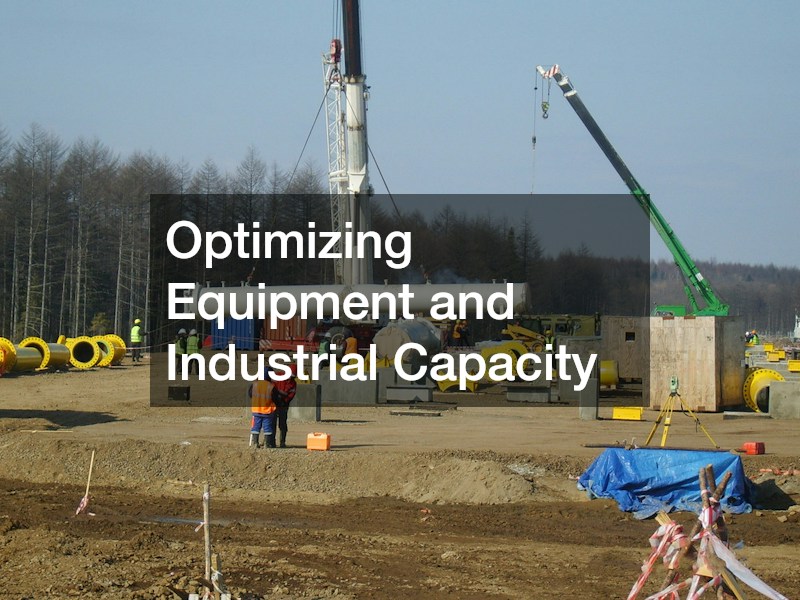
Scaling up often requires purchasing heavy manufacturing equipment or relocating existing plant operations to larger facilities. Moving massive machinery requires specialized equipment, strict adherence to safety standards, and careful logistical planning. Working with professional industrial machine moving specialists minimizes costly downtime by ensuring that delicate, expensive production lines are safely decommissioned, transported, and reinstalled with precision at your new location.
Proper rigging and transport strategies prevent structural wear or hidden damage during facility migrations. Experienced machinery movers conduct thorough site assessments to check floor load capacities, doorway clearances, and utility hookup readiness before moving a single piece of hardware. This level of logistical coordination prevents costly bottlenecking, ensuring that production schedules experience minimal interruption as assembly lines shift to new operational quarters.
Utilizing Specialized Lifting and Placement Solutions
For large-scale construction, facility expansion, or heavy assembly projects, standard material handling equipment often falls short. In these scenarios, utilizing professional crane services becomes essential for lifting heavy structural components, installing rooftop HVAC units, or positioning heavy manufacturing tools. Proper planning around lifting operations ensures that plant modifications happen safely and on schedule, preventing costly project delays.
Safety protocols around heavy hoisting operations must be integrated seamlessly into your overall project timeline. Working with certified rigging teams ensures proper weight distribution calculations, wind tolerance evaluations, and ground stability inspections prior to major lifts. Utilizing modern mobile crane options allows growing operations to make structural improvements without halting surrounding facility operations or endangering nearby personnel.
Maintaining Precision Measurement Tools Across Facilities
As operational output increases, accuracy and quality control become paramount. High-volume manufacturing relies on perfectly calibrated equipment to maintain consistent product specifications across large batches. Establishing relationships with reputable industrial scale companies allows growing businesses to ensure their weighing, measuring, and batching equipment remains calibrated to exact standards, protecting both profit margins and customer satisfaction.
Maintaining accurate measurement systems is also essential for regulatory compliance and international shipping requirements. Inaccurate batching can lead to product defects, safety risks, or costly regulatory fines. Scheduled maintenance and calibration cycles ensure that raw material usage remains strictly within designated target ratios, minimizing material waste and guaranteeing that every outgoing shipment meets exact trade measurements.
Enhancing Brand Visibility and Physical Fleet Management
Leveraging Mobile Branding Options for Maximum Reach
Visual branding plays a critical role in market penetration when expanding into new geographical regions. A highly effective way to build local brand awareness is by converting your commercial or service vehicles into moving billboards. Applying commercial vehicle wraps to your fleet ensures that every delivery, service call, or commute generates thousands of local impressions, giving your expanding brand a professional and dominant local presence.
A well-branded vehicle fleet serves as a constant, non-intrusive advertisement that builds local familiarity and consumer trust over time. By maintaining consistent visual designs across all company cars, vans, and utility trucks, expanding businesses can create the perception of a major established enterprise even when entering brand-new territorial markets. This elevated visibility drives inbound inquiries and reinforces existing marketing campaigns across print and digital channels.
Ensuring High-Quality Application for Fleet Longevity
Investments in mobile advertising yield the highest returns when the graphics remain vibrant and durable over years of daily exposure to sunlight, weather, and road wear. Partnering with a dedicated wrapping service ensures that high-grade vinyl materials are seamlessly applied without bubbling or peeling. This professional application maintains a polished appearance across your entire enterprise fleet, reflecting positively on your brand quality.
Professional installation teams utilize specialized surface preparation and climate-controlled application bays to guarantee long-lasting adhesive bonds. Protecting your fleet investment with high-grade UV-resistant laminates prevents fading and chemical degradation from road salt or industrial cleansers. Maintaining a pristine fleet appearance communicates attention to detail, reassuring prospective clients of your company’s commitment to quality in every aspect of business.
Refining Manufacturing and Specialized Services
Modernizing Production Through Advanced Machining
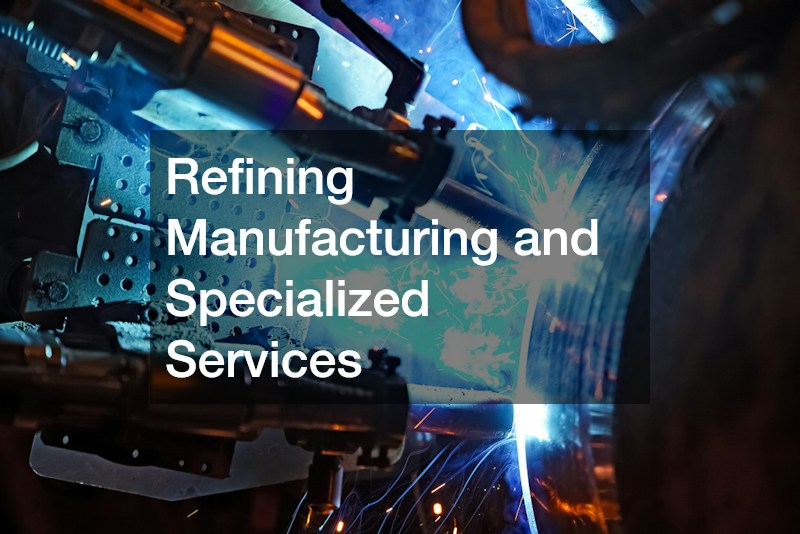
Scaling physical product lines requires shifting from manual or small-batch manufacturing to automated, scalable production workflows. Partnering with a reliable fabrication service gives growing companies access to high-precision CNC machining, automated laser cutting, and custom sheet metal work without requiring massive upfront capital investments in specialized factory machinery. This strategy allows businesses to keep overhead costs low while maintaining high output standards.
Outsourcing complex manufacturing tasks to specialized production partners allows internal leadership teams to focus on product design, market expansion, and customer relationship management. Advanced manufacturing partners bring established quality control protocols, rapid prototyping capabilities, and volume supply networks that allow growing brands to scale production runs up or down based on fluctuating market demand without bearing the burden of idle factory equipment.
Applying Durable Coatings for Long-Lasting Components
Product durability is directly tied to customer trust and brand reputation, particularly for hardware, industrial components, or outdoor goods. Incorporating industrial powder coating services into your production line yields a finish that is far more resistant to corrosion, chipping, and fading than traditional liquid paints. This robust finishing technique extends product lifespans and reduces warranty claims as your customer base expands.
In addition to superior physical protection, electrostatic powder application processes offer environmentally friendly advantages by eliminating harmful volatile organic compounds and allowing excess spray material to be collected and reused. Applying durable, uniform coatings across all metal components ensures that your finished products maintain their structural and visual integrity even under harsh operating conditions, reinforcing your brand’s reputation for premium craftsmanship.
Modifying Infrastructure with Specialized Cutting Techniques
Facility renovations and expansions often require modifying existing concrete foundations, walls, or structural slabs to accommodate new plumbing, electrical conduits, or machinery mounts. Utilizing concrete coring techniques allows structural engineers and contractors to create precise circular openings through reinforced concrete without disrupting the structural integrity of the surrounding facility or generating excessive dust and debris.
Unlike traditional demolition methods, precision drilling minimizes micro-fracturing within the surrounding concrete substrate, preserving the load-bearing capacity of adjacent floors and walls. Using diamond-tipped core bits allows crews to penetrate thick steel-reinforced concrete quickly and cleanly, ensuring that utility installations, machinery anchoring, and structural modifications proceed without risking worker safety or structural damage.
Streamlining Internal Operations and Financial Planning
Designing Scalable Administrative and Communication Pipelines
As headcount grows, traditional informal channels of internal communication inevitably break down, creating confusion, duplicated effort, and operational delays. Scaling requires transitioning toward structured digital project management platforms, centralized document repositories, and formal communication hierarchies. Establishing explicit protocols for cross-departmental collaboration ensures that critical operational directives, client updates, and technical specifications move smoothly across teams without losing clarity or oversight.
Administrative workflows must be systematically automated to handle increased transaction volumes. Automation tools should be integrated into customer relationship management, invoice processing, and human resources onboarding systems. Eliminating repetitive manual administrative tasks frees up valuable staff hours, allowing team members to devote their focus toward high-impact strategic initiatives, client satisfaction programs, and proactive problem-solving.
Managing Capital Allocation and Financial Runway
Rapid business expansion demands rigorous financial management, as growing revenue is frequently accompanied by a sudden surge in upfront operating costs. Securing adequate credit facilities, establishing flexible working capital reserves, and carefully tracking cash conversion cycles are crucial steps to avoid liquidity squeezes. Businesses must balance aggressive growth investments against the necessity of maintaining sufficient cash reserves to withstand economic fluctuations or unexpected operational delays.
Establishing dynamic financial forecasting models allows executive teams to run stress tests under various growth scenarios. Tracking key financial metrics such as customer acquisition cost, lifetime customer value, and gross margin trends provides clear indicators of whether expansion strategies are generating sustainable returns. Maintaining tight control over overhead expenses ensures that revenue growth directly translates into long-term enterprise value and bottom-line stability.
Key Pillars for Managing Sustainable Scale
To ensure your growth remains manageable and profitable, focus on building strong core functions across the organization:
- Audit financial cash flow continuously to ensure you have sufficient liquidity to handle sudden demand spikes.
- Invest in standard operating procedures that allow new employees to onboard quickly and efficiently.
- Strengthen vendor relationships early to secure volume discounts and priority scheduling.
- Standardize internal communication channels to prevent operational bottlenecks as team size grows.
- Implement robust performance metrics that track productivity without sacrificing employee well-being.
- Modernize technology stacks to support real-time data analytics and automated administrative reporting.
- Establish formal risk management protocols to mitigate supply chain disruptions and market volatility.
- Foster a cohesive corporate culture that preserves core company values amidst rapid team expansion.
Orchestrating Strategic Growth for Long-Term Success
Scaling a business successfully is not merely about selling more products or securing more clients; it is about building a resilient operational foundation that supports expanded activity. By strategically investing in legal guidance, robust facility infrastructure, specialized heavy equipment logistics, and high-impact marketing, leadership teams can ensure their expansion is both smooth and sustainable. Every step taken to optimize your production processes, upgrade your fleet, and protect your intellectual property pays dividends as your market share grows.
Ultimately, the leaders who navigate expansion effectively are those who plan proactively rather than reactively. By focusing on building scalable systems, forming strong partnerships with specialized contractors, and protecting the core culture of the organization, your company can achieve sustainable, long-term market leadership. Approach your scaling journey with patience, discipline, and a clear strategic roadmap to turn ambitious growth goals into reality.