Outgrowing your current business space is an incredible milestone for any scaling company. It proves that your business strategies are working, your customer base is expanding, and your brand is gaining serious traction in the marketplace. However, moving into a custom commercial facility brings a unique set of challenges that can easily overwhelm even the most experienced business owners. Upgrading your corporate footprint is not as simple as packing up desks and moving across town. It requires a massive logistical effort that combines heavy site construction with delicate operational transitions. Property owners must recognize that expanding a physical footprint is a long-term commitment to their workforce’s future.
When you decide to build a new corporate headquarters, you are essentially running two major projects at the same time. On one side, you have to manage engineers, heavy equipment operators, and construction deadlines to ensure your new building is structurally sound. On the other side, you have to keep your daily business running smoothly so you do not lose revenue or alienate customers during the transition. Managing this two-front challenge requires a highly detailed operational blueprint. This guide provides a step-by-step framework to help you navigate the complexities of heavy earth-moving and workforce relocation without experiencing costly business downtime. Taking control of these moving parts early will keep your corporate reputation perfectly intact.
Step 1: Mapping the Ground and Setting Legal Property Lines
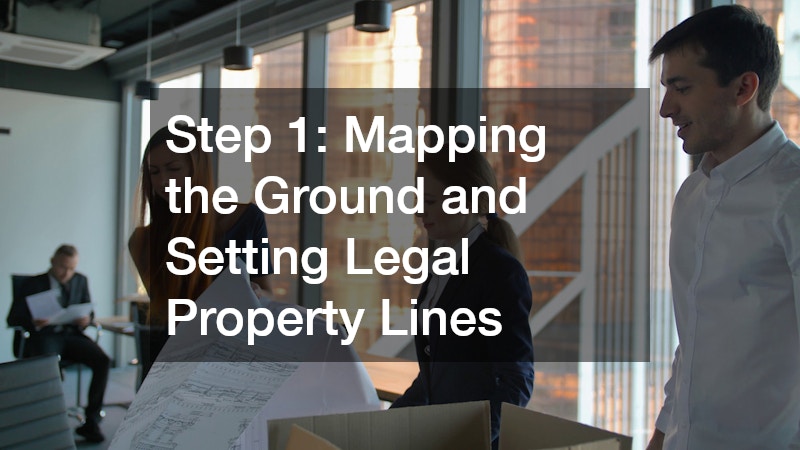
The absolute foundation of a successful commercial construction project happens long before the first block of concrete is poured. When you purchase land for a new corporate facility, you are entering a world governed by strict municipal codes, zoning laws, and legal boundaries. Commercial properties often share complex border zones with neighboring industrial parks, retail centers, or public roadways. Assuming you know where your property lines sit based on an old map or a real estate listing can lead to catastrophic legal battles if you accidentally build a parking lot over your neighbor’s line.
Before you invest thousands of dollars in architectural plans or heavy equipment, you must verify the exact physical boundaries of your new corporate asset.
- Identifying Invisible Boundaries: Professional land analysts use satellite data and historical records to mark the legal corners of your property with iron stakes and brightly colored flags.
- Locating Right-of-Way Zones: You must identify any sections of your land that the city or utility companies have a legal right to access for maintaining power lines, water mains, or drainage ditches.
- Assessing Soil and Terrain Conditions: Testing the dirt helps engineers understand if the soil can support a large multi-story building without shifting, sinking, or sliding over time.
Skipping this initial preparation phase can bring your entire corporate expansion to a grinding halt before it even truly begins. Before any heavy machinery rolls onto the dirt, you must hire a certified land surveyor to create a highly accurate map of your commercial zone. This structural blueprint acts as the official guide for the teams tasked with the initial land clearing phase. Knowing exactly where your borders sit allows your crews to chop down trees and remove rocks safely, ensuring that every dollar spent on site preparation moves your project forward on legally protected ground.
Step 2: Vetting Teardown Specialists and Clearing Old Assets
In many cases, the commercial land you purchase will not be an empty field of grass. Often, prime commercial real estate contains old, abandoned warehouses, cracked asphalt parking lots, or outdated office buildings left behind by previous businesses. Tearing down these old structures is a specialized task that requires careful planning, heavy safety gear, and strict compliance with environmental protection laws. You cannot simply smash a building down; you must systematically disassemble it to protect the surrounding environment and prevent injury.
Vetting the right contractors for this phase of the project is essential for keeping your corporate liability low.
- Handling Environmental Hazards: Older commercial properties frequently contain dangerous materials like asbestos insulation or lead paint that must be removed by certified specialists before the main structure is knocked down.
- Managing Structural Safety: Tearing down a building requires a careful calculation of weight distribution so that walls do not collapse unexpectedly onto workers or neighboring properties.
- Recycling Structural Materials: Modern commercial construction focuses heavily on sustainability, which means sorting crushed concrete, steel beams, and old copper wiring so they can be sold or reused.
Choosing the wrong crew to clear your land can result in massive city fines and long project delays. When you begin interviewing local demolition companies, look for teams that specialize in recycling crushed concrete to save on material costs. A licensed demolition company will pull the necessary permits and handle the dust control protocols required by city inspectors. By working with true specialists who understand how to safely drop an old structure, you ensure that your site is cleared rapidly and ethically, paving the way for your new corporate headquarters.
Step 3: Coordinating Earth-Moving Projects and Equipment Management
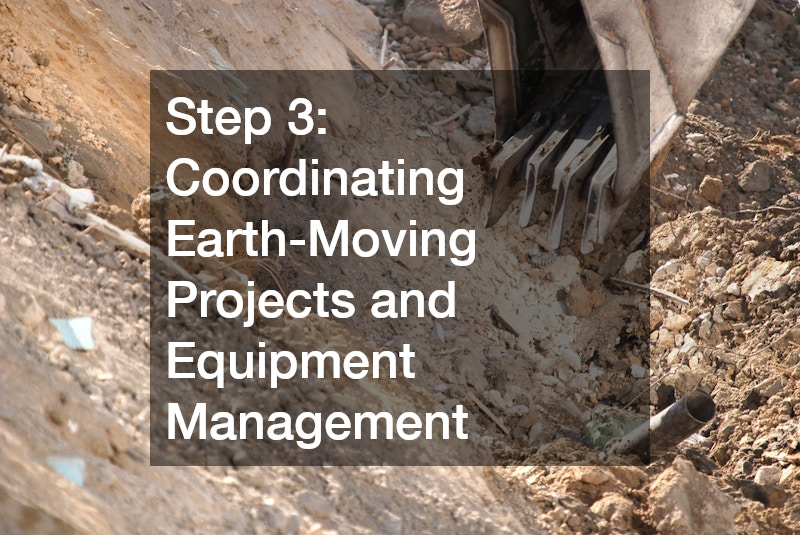
Once the old structures are cleared away and the ground is level, your project moves into the heavy industrial phase. This is the stage where your site transforms into a bustling hub of heavy trucks, loud engines, and deep pits. Preparing a site for a large commercial building requires moving hundreds of tons of earth to create a stable foundation, pour parking lots, and install retaining walls. Managing this phase correctly requires a tight logistical schedule to keep your capital costs under control.
Moving this much dirt is a delicate balance of timing, machinery, and weather conditions.
- Shaping the Foundation Pit: Workers use laser guiding systems to tell machine operators exactly how deep to dig so the building’s concrete slab sits perfectly level.
- Managing Displaced Earth: Deciding whether to haul dirt away at a high cost or reuse it on-site to create decorative privacy mounds and flat landscape zones.
- Protecting Against Rain: Open dirt pits can quickly turn into massive mud holes during a storm, meaning crews must install silt fences and retention ponds to manage water runoff.
The efficiency of this phase depends entirely on how well you manage your heavy machinery resources. The bulk of your site budget during the first month will be dedicated to heavy excavation and leveling the raw earth. While full-service subcontractors are great, smart operations managers can save thousands of dollars by utilizing local excavator rentals for minor grading tasks and clean-up work. Keeping a mix of rented machinery and specialized operators allows your business to stay flexible, adapting to unexpected soil changes without blowing past your initial construction budget.
Step 4: Installing Utilities and Protecting Your Physical Assets
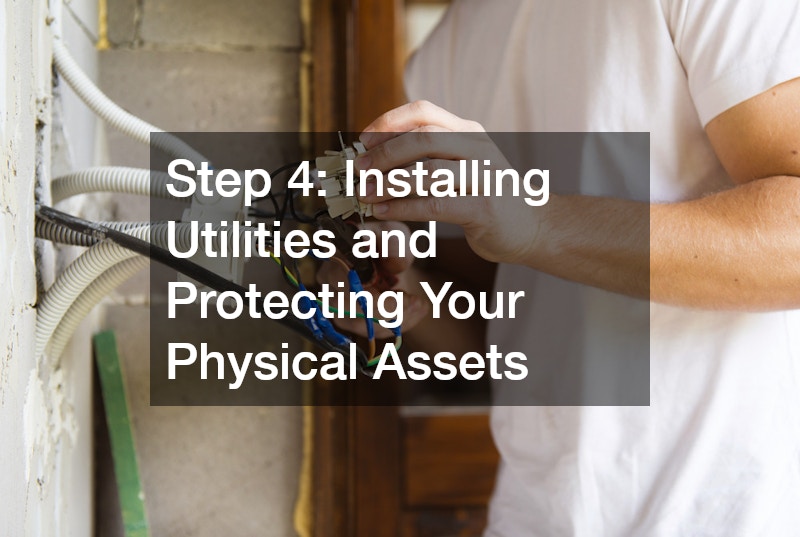
With the main foundation hole dug and the land properly graded, the construction focus shifts below the surface. A modern commercial building requires an immense network of utility lines to keep the business running. You must bring in high-voltage power grids to run server rooms, thick water mains for fire suppression systems, and high-speed fiber-optic cables to handle your corporate communications. Installing these lines requires cutting deep, narrow trenches across the property in a very specific order.
Digging deep trenches into the earth introduces serious physical and financial risks to a business expansion project.
- Preventing Trench Collapses: Open trenches deeper than a few feet must be reinforced with aluminum shoring boxes to protect workers from sudden dirt cave-ins.
- Avoiding Existing Lines: If your site connects to an active commercial street, workers must dig carefully to avoid accidentally cutting into live city gas lines or water systems.
- Managing Worker Liability: Heavy utility installation is dangerous work, meaning your business must be legally shielded from any accidents that occur on the property.
Protecting your company from these extreme construction hazards requires a combination of specialized labor and top-tier financial protection. Hiring a specialized trenching contractor prevents accidental damage to existing city water mains hidden beneath the street. They have the precise mapping tools needed to lay pipes at the exact slope required by local building codes. Furthermore, before breaking ground, consult with a premier commercial insurance service to wrap the entire project in an umbrella liability policy. This dual layer of operational expertise and financial protection ensures that an unexpected accident will not drain your corporate cash reserves.
Step 5: Implementing Stormwater Management and Ground Stabilization
Once your underground utilities are securely placed in their trenches and your primary foundation footprint is established, you must immediately address how your new facility will interact with the local environment. Replacing natural soil and trees with massive concrete structures, roofs, and expansive parking lots creates a massive operational challenge. Rainwater that used to naturally soak into the grass now has nowhere to go, transforming into rapid surface runoff that can flood your new structures or erode the surrounding landscape.
To stabilize your commercial property for the long haul, you must construct dedicated water holding systems and reinforce the open dirt before the final paving begins.
- Building Detention Ponds: Crews dig large, engineered basins designed to capture sudden rainwater rushes, holding the water securely and releasing it slowly into the city storm system.
- Installing Under-Pavement Filtration: Modern commercial lots often include hidden underground stone reservoirs beneath the asphalt to filter out oils and heavy metals before the water reaches local streams.
- Spreading Structural Geotextiles: Workers lay down massive sheets of industrial fabric over the raw dirt before adding gravel layers, which keeps the heavy mud from mixing with your clean stones and weakening your paved roads.
Failing to properly manage surface water and ground density during this intermediate phase can lead to major structural failures down the line. If your subgrade dirt softens due to trapped water, your expensive future parking lots will develop deep potholes, and your building’s concrete sidewalks will crack and buckle within the first year of operation. Spending the time to engineer precise drainage paths and compact the base soil creates an unbreakable shield around your physical property. This environmental stabilization ensures your corporate campus remains completely safe, dry, and professional, protecting your heavy financial investments from the unpredictable forces of nature.
Step 6: Overseeing New Facility Building and Executing the Final Move
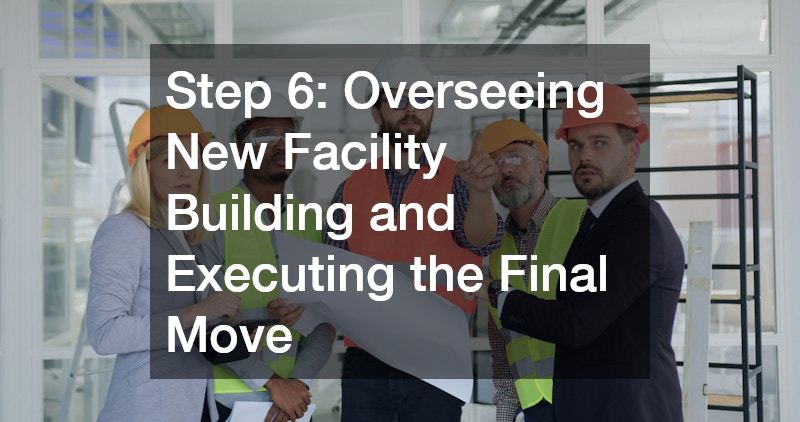
As the underground utilities are completed and the new building structure finally rises out of the ground, your attention must shift to the final phase of the corporate expansion: the actual physical relocation of your workforce. This is where your logistics planning is put to the test. You must carefully align the day your new building passes its final city inspection with the exact day your old office lease expires. Mismanaging this timeline can result in paying double rent or being forced to work out of temporary trailers.
Moving a modern office requires packing and transporting highly sensitive technical and legal assets.
- Securing Technical Hardware: Corporate server racks, employee computers, and expensive networking gear cannot simply be thrown into the back of a standard truck; they require climate-controlled transport.
- Organizing Document Chains: Legal contracts, human resources files, and financial records must be packed in numbered, locked security bins to prevent data breaches during the move.
- Minimizing Employee Downtime: Creating a phased moving schedule, such as moving one department over a weekend, ensures that your customer service lines never go dark.
Executing this final transition requires partnering with builders who respect deadlines and movers who understand corporate scale. Regular weekly meetings with your building contractors will keep the interior office build-out moving forward without delays. Once the keys are in your hand, you can hire vetted commercial moving companies that possess the specialized plastic crates and air-ride trucks needed to transport expensive electronics safely. These moving professionals will map out your new floor plan in advance, placing every desk, chair, and computer pre-labeled in the correct office so your employees can sit down and get straight back to work on Monday morning. Taking these final steps seriously guarantees a flawless transition that leaves your old facility completely empty and your new office perfectly organized. Careful management ensures that your existing landscaping is left beautifully intact.
Conclusion
Navigating a major corporate relocation while simultaneously managing a heavy site construction project is a true test of leadership and operational strategy. By breaking this massive endeavor down into logical, structured phases, you can protect your capital, shield your business from legal liabilities, and prevent operational disruptions. Rebuilding your company’s physical infrastructure from the raw earth up allows you to design an optimized environment tailored specifically to your brand’s future growth goals. When business leaders master both the heavy structural earth-work and the detailed workforce moving logistics, they remove the artificial limits on their capacity, positioning their brand for scalable, long-term market dominance in their industry.