
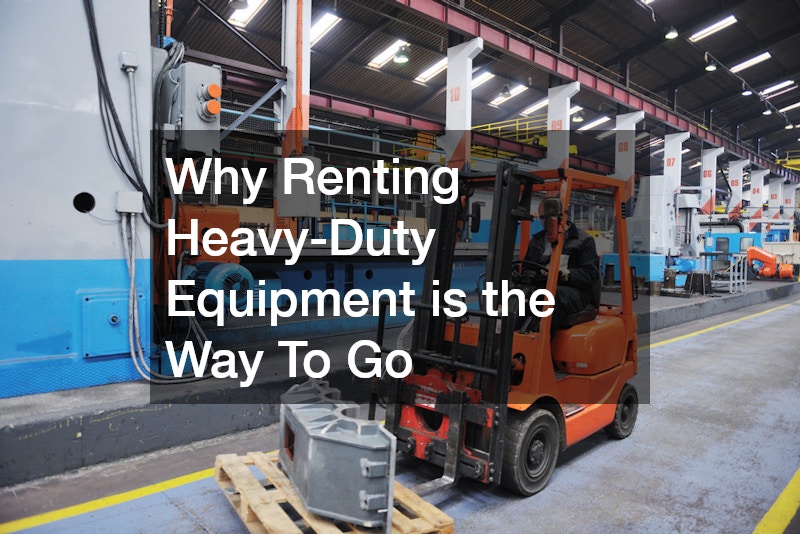
Managing a commercial operation, infrastructure project, or industrial facility requires constant balancing between capital investment and operational flexibility. In an era where project scopes change rapidly and profit margins face continuous pressure, project managers must carefully evaluate how they source their essential machinery and job site utilities. The tradition of purchasing every piece of machinery outright is rapidly giving way to a more dynamic, liquid strategy. Choosing temporary equipment sourcing allows companies to stay nimble, protect their balance sheets, and scale their operations precisely when market demand surges. Smart business leaders recognize that success lies in asset utilization rather than asset ownership. Adopting a flexible equipment strategy empowers teams to tackle larger, more diverse projects without tying up vital cash reserves.
Modern job sites require an increasingly diverse array of specialized gear, ranging from ground-moving machinery to specialized environmental units and sanitation setups. Attempting to build an in-house fleet that covers every conceivable scenario creates immense overhead, severe asset depreciation, and steep maintenance burdens. By shifting from an ownership model to a flexible sourcing model, businesses can convert massive fixed capital expenditures into predictable operational expenses. This operational shift provides immediate access to state-of-the-art technology while shielding the enterprise from the hidden costs of idle machinery and long-term asset management. Embracing on-demand equipment sourcing equips companies with the adaptability needed to thrive in an ever-evolving commercial market.
Mitigating Financial Risk and Protecting Cash Flow

Preserving Working Capital for Core Growth
Directing large amounts of capital into heavy asset purchases severely restricts an organization’s liquidity. Sourcing equipment on a project-by-project basis preserves credit lines and cash reserves, allowing businesses to direct capital toward talent acquisition, market expansion, and strategic research. Rather than locking hundreds of thousands of dollars into aging physical machinery, companies maintain the financial agility needed to navigate economic shifts and capture sudden opportunities.
Eliminating Depreciation and Asset Obsolescence
The moment new machinery leaves the dealer lot, its market value begins to slide. Over several years, technological advances have made older models less efficient, less safe, and more expensive to operate. Renting shifts the risk of asset depreciation entirely to the supplier. Operators gain access to top-tier, modern units equipped with the latest telematics and fuel-efficient systems without absorbing the financial loss associated with resale value decline.
Streamlining Project Budgeting and Cost Accounting
Uncertainty is the enemy of profitable project management. Owning a fleet exposes companies to unpredictable repair costs, emergency part replacements, and fluctuating insurance premiums. Sourcing temporary machinery consolidates these costs into a single, predictable line item. This financial clarity simplifies bidding on contracts, improves profit margin accuracy, and allows accountants to write off sourcing expenses directly against project revenues.
Operational Agility Across Diverse Project Environments
Matching Specific Machinery to Unique Job Requirements
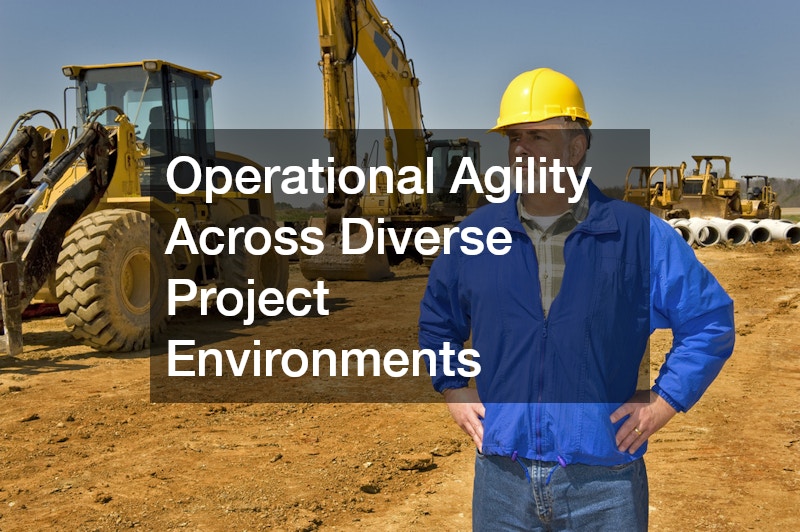
Every project comes with its own set of mechanical and structural demands. A machine that excels at high-capacity earthmoving may be completely unsuitable for delicate interior utility work or confined urban developments. Tapping into external fleets enables managers to select the exact specifications needed for each phase of a job rather than forcing a mismatched, owned machine to perform tasks outside its optimal parameters.
Meeting Unexpected Capacity Surges
Business growth rarely follows a smooth, perfectly linear path. Winning a major contract often requires an immediate expansion of operational capacity that exceeds existing fleet resources. Sourcing machinery allows companies to scale up their capacity instantly to meet tight project deadlines and just as easily scale back down when the project wraps up, avoiding the burden of excess machinery sitting idle.
Eliminating Long-Term Storage and Logistics Costs
Storing large industrial machinery requires vast real estate, physical security measures, and ongoing weatherproofing to prevent deterioration during downtime. Sourcing equipment completely eliminates these static costs. The supplier delivers the required machinery directly to the active site and removes it as soon as the project phase finishes, reducing logistical bottlenecks and clearing valuable yard space.
Strategic Integration of Specialized Site Utilities
Optimizing High-Reach and Aerial Operations
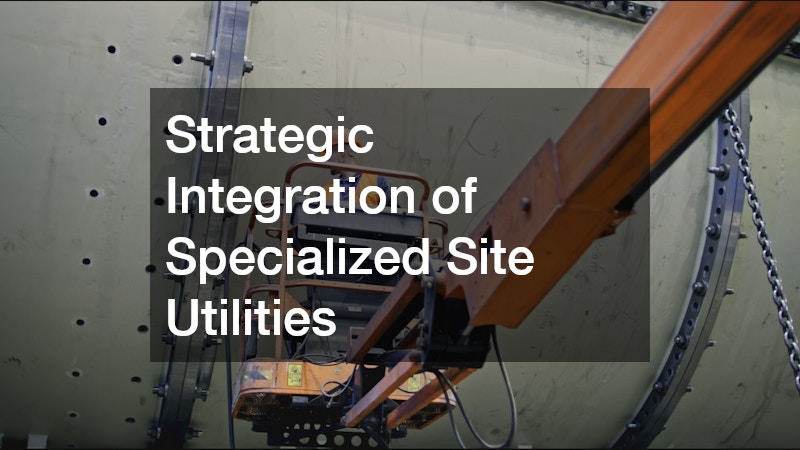
High-altitude installation, structural maintenance, and architectural finishing require specialized aerial platforms to ensure safety and speed. Relying on a versatile boom lift rental allows project managers to select the exact working height, outreach capacity, and power source needed for specific site conditions, whether maneuvering through narrow indoor aisles or working outdoors on rough terrain.
-
Assess the working height and horizontal reach required before selecting an aerial platform model.
-
Inspect terrain conditions to determine whether rough-terrain tracks or non-marking rubber tires are necessary.
-
Confirm weight capacity limits to safely accommodate operators, heavy tools, and installation materials.
Maintaining Temperature Control in Sensitive Testing Environments
Industrial research, material testing, and specialized manufacturing frequently require rigorous, controlled atmospheric conditions that standard facilities cannot provide. Sourcing a precise environmental chamber rental enables facilities to conduct precise thermal testing, humidity evaluations, and stress testing without investing in permanent, expensive testing chambers.
-
Define the precise temperature range and relative humidity parameters required for testing protocols.
-
Verify power requirements and site utility connections prior to equipment delivery.
-
Schedule rental durations to match specific testing phases to avoid unnecessary holding costs.
Managing Site Sanitation and Worker Comfort
Maintaining high health and safety standards on an active job site requires reliable, scalable sanitation infrastructure. Utilizing portable toilet rentals ensures compliance with labor regulations, promotes workforce hygiene, and keeps operations running smoothly regardless of the site location or project duration.
-
Calculate units based on crew size, shift lengths, and regulatory requirements.
-
Arrange scheduled servicing and pump-outs with the provider to maintain optimal hygienic conditions.
-
Position units strategically on firm ground to allow easy maintenance access without obstructing site traffic.
Advanced Material Handling and Heavy Lift Sourcing
Elevating Heavy Structural Components Safely
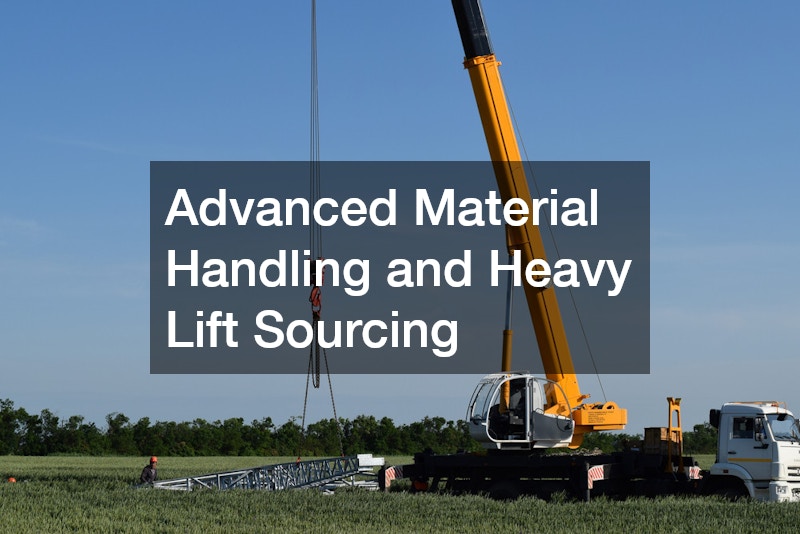
Complex rigging and heavy lift operations demand highly specialized machinery operated by certified personnel. Partnering with professional crane services provides immediate access to massive lifting capacity, specialized rigging hardware, and expert operators, bypassing the massive capital outlay and insurance hurdles associated with purchasing heavy cranes outright.
-
Review certified load charts and site radius measurements with structural engineers prior to lift day.
-
Secure necessary municipal permits and road closure approvals for heavy rigging setups.
-
Confirm that ground load-bearing capacities can safely support outrigger loads.
Handling Cold Chain Logistics and Temporary Cold Storage
Food distribution, pharmaceutical management, and event catering often require immediate, temperature-monitored cold storage solutions. Incorporating a refrigerated trailer rental into your logistics plan provides instant cold chain protection during peak demand periods, emergency system repairs, or transport expansions.
-
Verify temperature logging features to maintain compliance with health and safety standards.
-
Choose between electric-standby units for stationary use or diesel generators for mobile transport.
-
Ensure site access paths can accommodate large transport drop-offs and maneuvering.
Streamlining Bulk Logistics and Fleet Transport
Transporting materials, equipment, and structural components between regional sites requires reliable, heavy-duty hauling power. Utilizing flexible truck rental services lets logistics coordinators scale their transport fleets on demand, matching tow capacities and bed sizes to current shipping volumes without carrying permanent fleet liability.
-
Check gross vehicle weight ratings to ensure compliance with regional transport regulations.
-
Match hitches, braking systems, and bed dimensions to the specific payload being moved.
-
Opt for flexible rental terms that allow fleet extensions during unexpected transit delays.
Waste Management and Site Preparation Strategies
Managing Demolition Debris and Construction Waste
Efficient waste removal keeps job sites clear, safe, and compliant with environmental regulations. Sourcing dedicated roll-off rentals provides large-capacity containers designed to handle concrete rubble, timber, metals, and bulk construction waste, streamlining site cleanup routines.
-
Select container yard capacities based on estimated debris weight rather than volume alone.
-
Separate recyclable materials from general waste to reduce disposal costs and support sustainability.
-
Ensure the placement site is level, accessible for drop-off trucks, and clear of overhead lines.
Tailoring Waste Solutions for Short-Term Commercial Projects
Smaller commercial renovations, site clear-outs, and utility repairs need flexible waste handling that fits within tight footprints. Securing a versatile dumpster rental allows project supervisors to manage debris removal efficiently without cluttering the site or blocking access for other trade vehicles.
-
Check local permit rules before placing waste containers on public streets or rights-of-way.
-
Establish clear rules for workers on acceptable materials to avoid non-hazardous waste contamination fees.
-
Coordinate pull-and-replace schedules with suppliers so containers are emptied before overflowing.
Leveraging Regional Fleet Networks for Faster Response
Sourcing machinery through a local equipment rental partner drastically cuts transit costs, speeds up delivery times, and gives you instant access to local mechanical support. Regional suppliers understand area site conditions and offer faster response times if you need quick machine swaps or on-site service calls.
-
Build relationships with local suppliers to secure priority dispatch during high-demand seasons.
-
Confirm that local suppliers offer 24/7 emergency repair support and replacement delivery.
-
Leverage nearby inventory to keep transit fees low and reduce job site delivery delays.
Comprehensive Asset Management and Service Integration
Eliminating Maintenance and Repair Overhead
Maintaining an in-house fleet requires dedicated mechanics, specialized diagnostic tools, a massive inventory of spare parts, and dedicated repair bays. By delegating these responsibilities through comprehensive heavy equipment services, businesses eliminate workshop overhead. Suppliers handle routine preventative maintenance, emergency field repairs, and fluid inspections, ensuring every machine arrives at the job site fully serviced, inspected, and ready to work.
-
Leverage supplier-managed maintenance schedules to ensure peak machine performance.
-
Request complete service logs and safety inspection reports before accepting machinery on site.
-
Establish clear protocols for field service calls to address mechanical issues without losing time.
Mitigating Labor Shortages with Expert Support
Operating specialized machinery requires rigorous training and specialized certifications. Sourcing equipment alongside qualified operators helps bridge skilled labor gaps, allowing projects to maintain strict safety standards and high quality without long onboarding cycles.
-
Evaluate whether turnkey operator options are available for complex equipment.
-
Ensure all third-party operators hold up-to-date industry certifications and safety qualifications.
-
Integrate contracted machine specialists directly into site safety briefings and workflows.
Long-Term Sustainability and Technological Upgrades
Accessing Cutting-Edge Telematics and Automation
Modern machinery is evolving rapidly, incorporating GPS tracking, automated grade-control systems, telematics, and advanced fuel efficiency monitors. Sourcing your fleet guarantees access to these modern features without forcing your company to buy new equipment every few years. Utilizing modern, technologically advanced machines increases accuracy, cuts fuel use, and helps workers finish tasks much faster.
-
Utilize integrated telematics data to track fuel burn, idle time, and operator efficiency.
-
Select GPS-guided equipment for precision earthmoving and grading to reduce rework.
-
Leverage modern machine safety features to prevent job site accidents and lower liability.
Supporting Environmental Compliance and Lower Emissions
Environmental regulations for industrial equipment are continuously tightening. Older fleets struggle to meet lower emissions standards, placing companies at risk of non-compliance fines or disqualification from public bids. Rental suppliers regularly upgrade their fleets to meet the latest environmental standards, enabling operators to fulfill strict sustainability guidelines effortlessly.
-
Partner with equipment providers that offer Tier 4 final engines or electric-powered models.
-
Use newer, eco-friendly machinery to satisfy green building standards and earn municipal contract credits.
-
Lower your job site’s carbon footprint by utilizing fuel-efficient engines and hybrid hydraulic systems.
Relying on strategic equipment sourcing provides a clear path to sustainable growth, financial strength, and job site efficiency. By stepping away from the costly, rigid traditional asset ownership model, businesses can convert fixed overhead into adaptable project costs that adjust with market demand. This approach protects capital, reduces risk, and keeps your operations lean and competitive. Transitioning to a flexible sourcing model unlocks continuous access to top-tier machinery while optimizing bottom-line performance. Companies that adopt modern equipment strategies position themselves to navigate future market shifts with confidence.
From specialized rigging gear and environmental controls to site sanitation and material hauling, access to flexible, high-grade machinery ensures your business can tackle any contract with confidence. As technological advances reshape the industrial landscape, remaining agile is your strongest competitive advantage. Partnering with proven equipment providers gives you access to modern tools, full-service support, and total fleet flexibility—positioning your organization to capture new business, handle complex projects, and build long-term success. Choosing agile asset management guarantees that your business stays ahead of the competition for years to come.